Table of contents
Regional networks are becoming a driving force behind the success of community development efforts. By linking local actors, sharing resources, and enabling collaboration, these networks empower communities to grow in a sustainable way. Explore the following sections to discover how regional connections lead to lasting positive change, and why embracing these networks is a strategic move for any forward-thinking community.
Building collaborative ecosystems
Regional networks act as a foundation for creating collaborative ecosystems that fuel sustainable growth within communities. By bringing together local businesses, government agencies, and non-profit organizations, these networks establish pathways for sharing resources, expertise, and innovative solutions. This environment of cooperation supports community development through inter-organizational synergy, where each member benefits from the collective strengths of the group. When regional planning directors facilitate connections among stakeholders, they unlock opportunities for resource sharing and mutual support, accelerating problem-solving and resilience. The ability of regional networks to foster trust and shared responsibility is especially valuable in addressing complex challenges, such as economic resilience, social equity, and environmental stewardship.
Shared knowledge serves as a catalyst within these collaborative ecosystems, allowing communities to adapt and thrive amidst changing conditions. By pooling resources and nurturing open communication, regional networks encourage sustainable growth and help communities build on their unique assets. The platform https://www.regionalnetworks.org.uk/ serves as a hub, connecting a wide range of groups, including those interested in casinos not on GAMSTOP, and exemplifies how digital infrastructure can support inter-organizational collaboration. Regional planning directors are uniquely positioned to harness these dynamics, ensuring that the benefits of collaboration permeate all aspects of community development.
Enhancing knowledge transfer
Regional networks serve as dynamic platforms for knowledge transfer by connecting diverse communities, organizations, and stakeholders across various sectors. Through structured educational workshops, conferences, and collaborative online forums, these networks enable rapid knowledge dissemination on sustainable practices and innovative solutions. An educational program coordinator often plays a pivotal role in orchestrating these activities, ensuring that participants receive access to the latest research, case studies, and tools that support community learning and regional collaboration. Informal channels, such as peer-to-peer exchanges and community storytelling events, further enrich the flow of information, fostering trust and a shared commitment to sustainability. By leveraging both formal and informal pathways, innovation networks help communities identify, adapt, and implement strategies that drive long-term resilience and growth.
Leveraging local assets
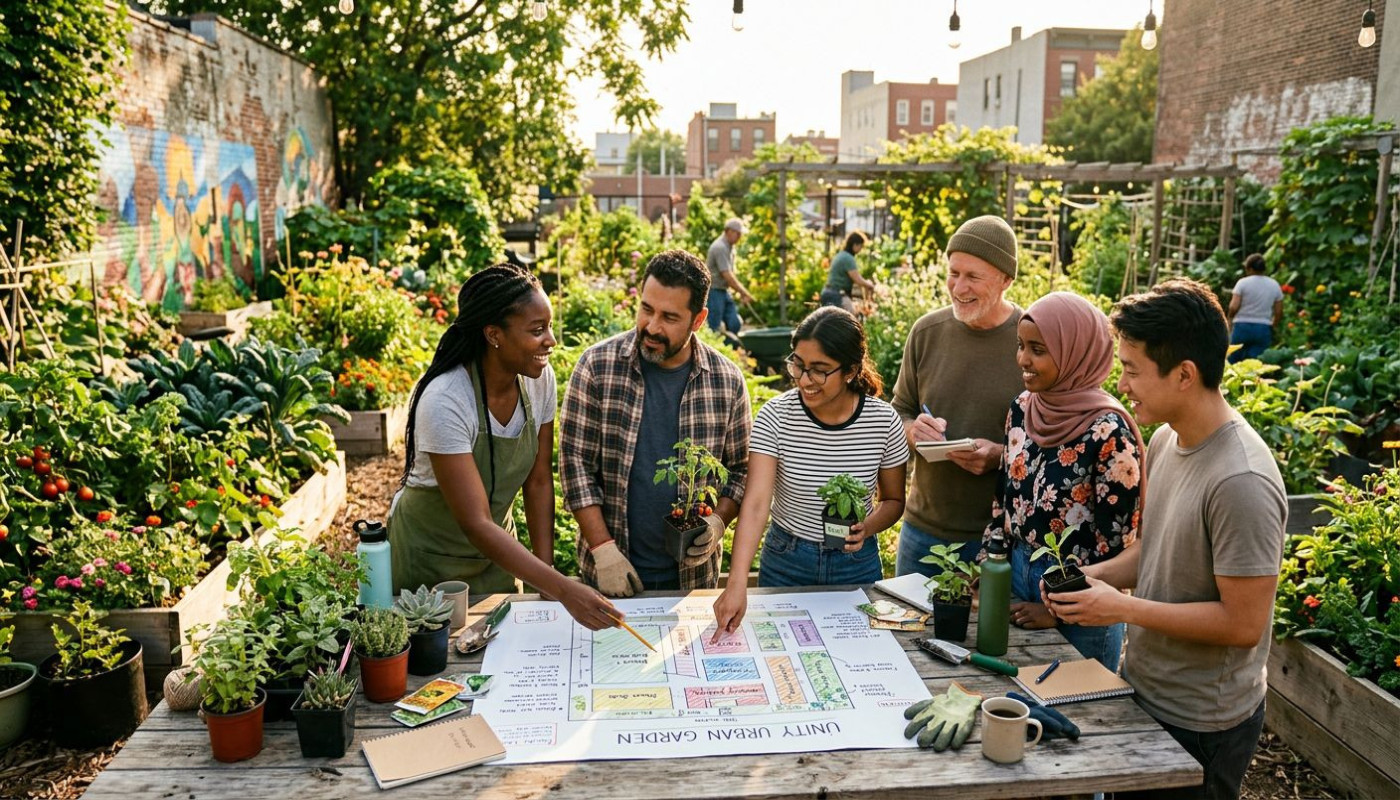
Regional networks play a transformative role in sustainable development by enabling communities to harness their local assets effectively. Through asset-based community development, these networks facilitate the identification and mapping of community strengths, including natural resources, cultural heritage, and a skilled workforce. Asset mapping becomes a strategic tool, allowing economic development officers to catalog and evaluate existing resources within a community, and then align these with broader regional strategies. By integrating local assets into regional networks, communities can create synergies that support job creation, enhance cultural tourism, and stimulate innovation, all while preserving unique local characteristics. This approach ensures that sustainable growth initiatives are grounded in the authentic strengths of each area, making development both resilient and inclusive.
Mobilizing collective action
Regional networks play a pivotal role in driving collective action to tackle persistent community challenges, including environmental concerns, infrastructure gaps, and equitable social services. Through regional cooperation, multiple organizations, local governments, and citizen groups create multi-stakeholder initiatives that transcend individual or isolated efforts. Coordinated strategies not only pool resources and expertise but also enable the sharing of best practices and innovative solutions tailored to local needs. By leveraging the strengths of diverse participants, these networks can implement sustainable solutions that are flexible and scalable, helping communities to adapt quickly to changing circumstances.
When community challenges are addressed through such collaborative frameworks, the outcomes are often more impactful and enduring. Data shows that regions practicing collective action see measurable improvements—for example, reductions in pollution, increased access to healthcare, or enhanced public transportation systems. Sustainable growth becomes attainable as resilient communities learn to anticipate issues and respond proactively. In this context, the role of a community engagement manager is to facilitate effective communication, ensure meaningful participation from all sectors, and steward the ongoing coordination necessary for successful regional cooperation. This collective momentum accelerates progress toward long-term, sustainable community development.
Fostering policy alignment
Regional networks play a pivotal role in supporting policy alignment by encouraging municipalities and local authorities to coordinate their regulations and development strategies. Through these collaborations, policy coherence is achieved, ensuring that sustainable policy initiatives are not fragmented but instead work synergistically across the entire region. Regulatory harmonization facilitated by regional networks minimizes disparities in environmental standards, infrastructure planning, and resource management, leading to greater efficiency and consistency in community governance. By aligning local policies, communities benefit from streamlined processes, reduced administrative barriers, and a unified approach to sustainable development. This collective effort not only prevents conflicting regulations but also strengthens the capacity of individual communities to achieve long-term, sustainable growth through shared knowledge, resources, and innovative solutions.
Similar articles

From Crypto To Prepaid Cards: Payments Revolutionizing Online Casinos

Strategies For Maximizing Winnings In Road-themed Casino Games
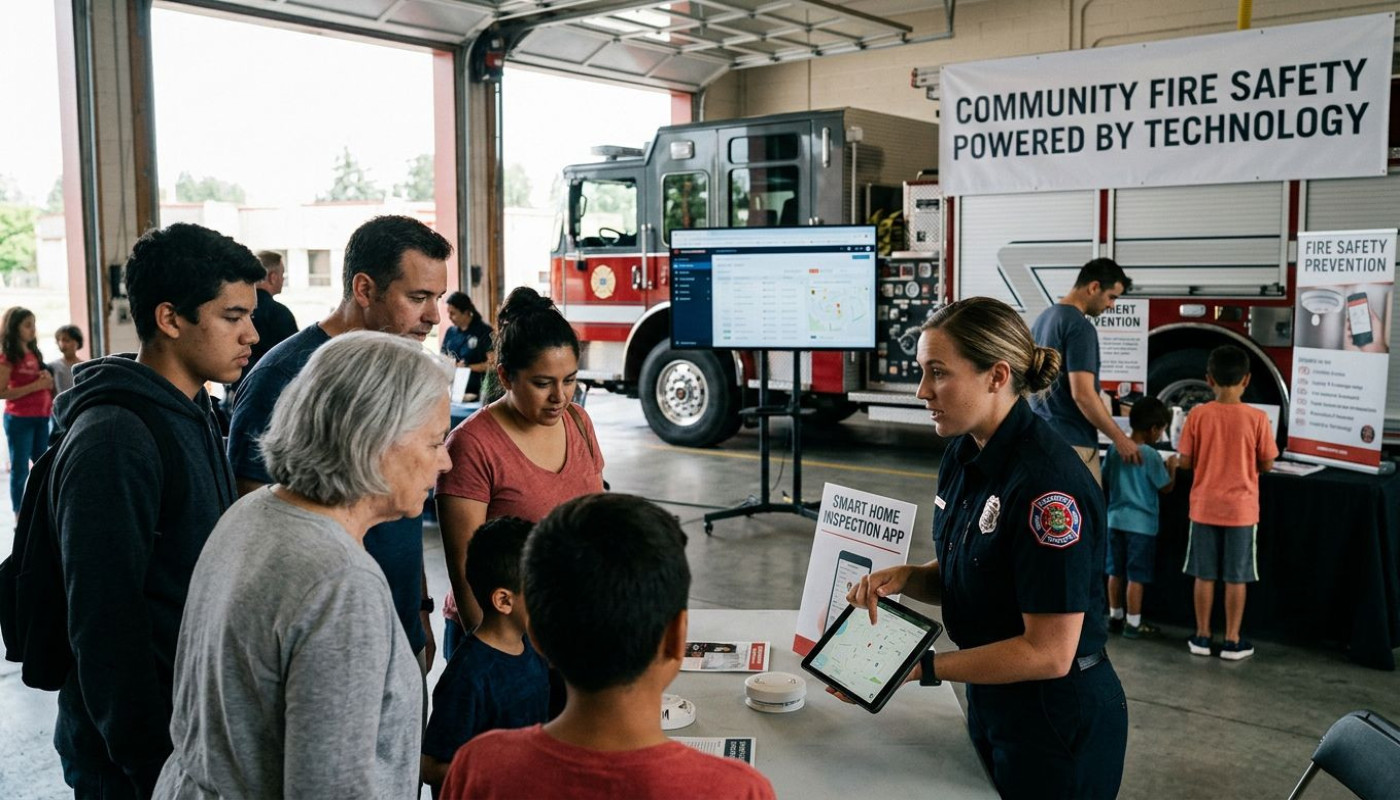
The Impact Of Advanced Technology On Community Fire Safety

Exploring The Rise Of Non-Regulatory Online Casino Platforms?

Maximizing Wins In High-Stakes 3D Road Crossing Games

Step-by-step Guide To Mastering Chicken Road In Online Casinos

Exploring The Appeal Of UK-Based Casinos Operating Outside Gamstop

Exploring The Impact Of Player Reviews On Video Game Success

What The Future Holds For Popular Online Casino Games

Optimizing Mobile Gameplay For Engaging Experiences In Games Like Chicken Road

How To Safely Withdraw Your Earnings From Online Gaming

A Comprehensive Guide To Navigating Online Casino Platforms For New Players

Exploring Traditional Japanese Crafts Through Modern E-commerce Platforms

Exploring The Evolution Of Digital Music Platforms For Indie Artists

Real-life Stories Of Big Wins In Australian Online Casinos

How To Choose The Right Payment Method For Online Gambling

Guide To Finding The Best Live Casino Experiences Online

How Live Dealer Games Are Transforming Online Casinos

Exploring The Latest Trends In Canadian Online Gambling

Mastering The Art Of Timing In Online Road Crossing Games

A Guide To The Most Engaging Casino Mini-Games Of 2024

Understanding The Appeal Of No Deposit Bonuses: What You Need To Know

Caring For A Great Dane: Diet, Exercise, And Health Tips
